Jackpot Jump | Cards Game Guide
Jackpot Jump is a fast, card-based choice game for players who want a clear round rhythm and a simple way to observe risk before committing a stake. The cards format keeps each decision visible, while the jackpot theme gives every step a sense of momentum.
In short, choose a comfortable stake, review the round prompt, and decide whether to continue or secure a result according to the live game display. A Jackpot Jump Demo is useful for learning the interface first; real-money play should begin only after the rules, limits, and account controls are understood.

Jackpot Jump
The Jackpot Jump card icon opens the current game route through the platform's secure play action. Use the same choice when you are ready to move from reading to a live session.
More card choices after Jackpot Jump
If you want to compare the same broad cards category with a different pace, these four verified game records provide a compact starting point. Each icon uses the platform play action rather than pretending to be a separate article link.
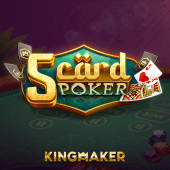
5 Card Poker
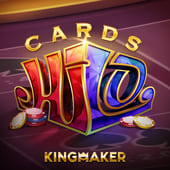
Cards Hi Lo

Coin Pusher

Coin Toss
Jackpot Jump features that shape each round
The defining feature of Jackpot Jump is not a complicated table of rules: it is the relationship between a visible card prompt, a chosen stake, and the moment a player decides to stop. That makes the cards presentation easy to compare with other short-format games on Jonny Fairplay.
For a measured comparison, look at how card visibility, button placement, and the pace of results feel together rather than treating a single outcome as proof of a pattern. That approach keeps the Jackpot Jump experience readable on a phone and helps a player decide whether this cards style suits a short session.
How to play Jackpot Jump with a clear plan
The practical answer is to learn the round controls in free practice, set a stake that fits your session budget, and stop when your pre-set limit is reached. Jackpot Jump does not turn a previous card result into a guarantee for the next one, so a repeatable process is more useful than chasing a streak.
A simple first-session sequence
- Read the table: Identify the card area, current balance, stake control, and the action that confirms a round.
- Use a Jackpot Jump Demo: Watch several complete rounds and note when the interface changes after a choice.
- Set a unit: Divide the amount you are willing to spend into small units instead of making one oversized opening stake.
- Choose before clicking: Decide the maximum number of rounds and the point at which you will leave the session.
- Review the result: Confirm the displayed settlement before starting another round, especially after a connection pause.
- Take a break: If the plan is no longer comfortable, close the session rather than increasing the stake to recover a loss.
The same discipline works when you move between Jackpot Jump and other categories. A player comparing the card flow with Ali Baba's themed game experience should compare pace and controls, not assume that a different theme changes probability.
Jackpot Jump guidance for different play situations
The best use of Jackpot Jump depends on what you want from the session. Match the format to your time, attention, and budget instead of allowing the jackpot label to choose for you.
When you are learning the interface
Start with the Jackpot Jump Demo and focus on the location of each control. Do not measure the practice session by a pretend balance; measure it by whether you can explain what happens after a card choice and how a round ends.
When you have only a few minutes
Use one small stake unit and a fixed round count. A short session should have a defined exit before it begins, so the compact cards format remains entertainment rather than an unplanned chase.
When you want to compare games
Keep the stake and time window consistent while you observe the controls. Players who prefer a live table can read about Lucky 7's live-casino setting, then return to Jackpot Jump to decide which pace feels easier to manage.
When your attention is fading
Pause immediately and preserve the remaining budget. If you need a lighter, playful alternative for a later session, the Penguin Panic cards option can be reviewed separately rather than forcing another Jackpot Jump round.
Jackpot Jump visual guide to the play screen
The local Jackpot Jump artwork provides the visual reference for this guide. Use the observations below to orient yourself to the game identity and to confirm that you are opening the intended cards title before interacting with the play controls.
These images are an orientation aid, not a promise of a particular result. The live interface, available limits, and account prompts should always be read on screen before a stake is confirmed.
Jackpot Jump session checkpoints and card-game value
There is no reliable shortcut that converts a cards game into a guaranteed win. A useful review therefore tracks controllable session information: how often you pause, whether you follow the unit size, and whether the game remains enjoyable within the limit you selected.
Return-to-player figures, house rules, and any available limits belong to the particular game and account display; they should be read there rather than invented from artwork. Treat the Jackpot Jump Demo as a way to understand mechanics, not as evidence that a future paid round will follow the same path.
Jackpot Jump questions players ask before starting
The most useful answers are practical: learn the controls, confirm the game type, and decide a limit before a round. The following questions address the specific choices a new Jackpot Jump player is likely to make.
Ready to review Jackpot Jump in context?
If the cards format fits your planned session, open the official play action to view the current Jackpot Jump interface and any available practice choice. Read the terms, use a personal limit, and keep the session recreational.